The global rise in the incidence of chronic diseases during the late twentieth century has underscored that disease etiology extends beyond genetic predispositions and adult lifestyle factors. Within this framework, the Fetal Origins of Adult Diseases (FOAD) hypothesis highlights a strong association between low birth weight and the subsequent development of various chronic conditions, identifying the intrauterine period as a critical biological window that programs long-term health outcomes. This hypothesis aligns with the holistic approach historically emphasized in numerous traditional medical systems, which posit that maternal health before and during pregnancy is decisive for the wellbeing of future generations. These traditions advocate for the physical, emotional, and spiritual equilibrium of the mother, as well as her preparation for the birthing process. The FOAD hypothesis is grounded in the concept of “developmental plasticity,” whereby the fetus adapts to in utero environmental cues through metabolic reprogramming as a survival strategy. Nevertheless, the escalating environmental toxicity associated with modern lifestyles adversely affects these adaptive processes. Contemporary research demonstrates that the placenta is permeable to a wide range of synthetic toxicants, exposing the fetus to chemical burdens even before birth. The detection of hundreds of chemicals in umbilical cord blood indicates that fetal development occurs under substantially greater environmental stress than previously recognized. This heightened toxic exposure can cause permanent disruptions in organogenesis and contributes to the pathogenesis of congenital anomalies and later-life conditions, including hormonal disorders, infertility, diabetes, and cancer. Consequently, the environmental toxic burden associated with modern living constitutes a significant threat to both maternal and fetal health, with long-term implications for subsequent generations. Mitigating this risk and promoting sustainable health necessitates the reduction of environmental toxicants and the enhancement of endogenous detoxification pathways, ideally through a comprehensive, holistic health approach.
In The Beginning Lies The Risk: Fetal Toxic Exposure And The Origins Of Adult Disease
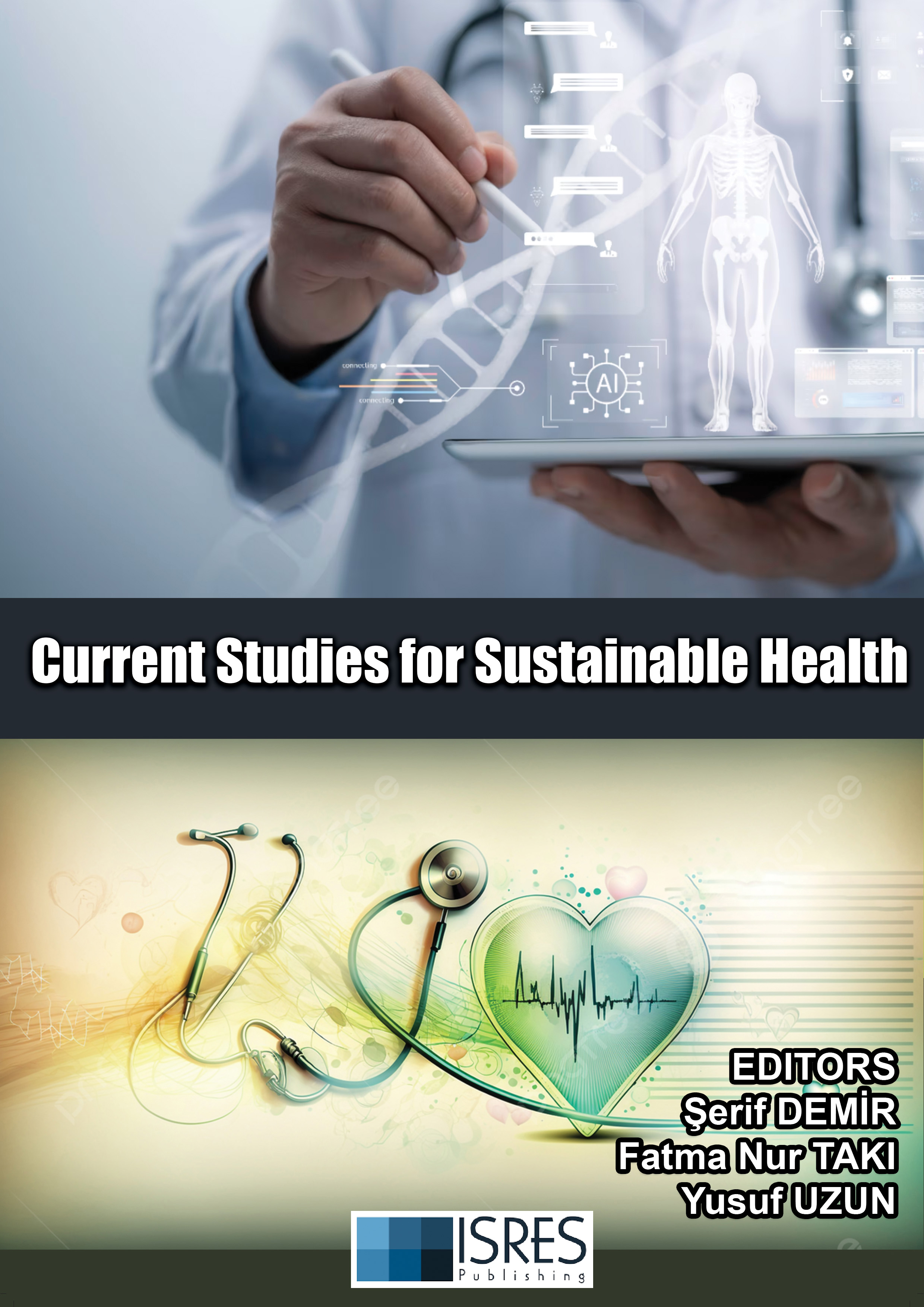
Current Studies for Sustainable Health
Editors: Şerif DEMİR, Fatma Nur TAKI, Yusuf UZUN
249
In The Beginning Lies The Risk: Fetal Toxic Exposure And The Origins Of Adult Disease
Chapter Authors: sra KIRSEVER, Gülnihal ŞİŞMAN, Hümeyra ŞİŞMAN
Pages: 151-182
Other Chapters
ustainable Microbiota Targeted Interventions in Psychiatric Disorders
Çağatay Han TÜRKSEVEN
More Info Pages: 1-22
The Role of Physiotherapists in Advancing Sustainable Health within the Framework of the Sustainable Development Goals
Tuğba ARSLAN, Serdar ARSLAN
More Info Pages: 23-33
Homelessness and Sustainable Health: A Holistic Approach to Community Health
Sümeyye SARIŞAHİN
More Info Pages: 34-50
Sustainable Health for Parents of Children with Special Needs
Sümeyye SARIŞAHİN, Selma ERCAN DOĞU
More Info Pages: 51-67
Sustainability In The Healthcare Sector And Health Education
Hande KÜSEN SEL
More Info Pages: 68-75
Metaheuristic Approaches for Sustainable Health: A Case Study on Red Fox Optimization
Fatma Nur UZUN, Ömer Kaan BAYKAN
More Info Pages: 76-122
Skin Cancer: Pathophysiology and Epidemiology
Hanife Yüksel ÇAKMAK, Hasan EGE
More Info Pages: 123-138
Circadian Rhythms and Chronotherapy: Integrating Molecular and Physiological Mechanisms into Physiotherapy and Rehabilitation Sciences
Fatma Nur TAKI, Kerim Çağrı AKDAĞ
More Info Pages: 139-150
In The Beginning Lies The Risk: Fetal Toxic Exposure And The Origins Of Adult Disease
sra KIRSEVER, Gülnihal ŞİŞMAN, Hümeyra ŞİŞMAN
More Info Pages: 151-182
Traditional and Complementary Medicine Practices: Integrative Approaches for Sustainable Health
Nalan SOYDAŞ ENGİN
More Info Pages: 183-198
Traditional and Complementary Medicine Practices: Integrative Approaches for Sustainable Health
Zeynep Bilgenur MEMİŞOGLU ŞENER
More Info Pages: 199-207
The Importance of Pilates in Pregnant Women and Principles of Practice
Yeşim ANIK ÇANKAYA, Musa ÇANKAYA
More Info Pages: 208-230
Quantum Nutrition And Health Sustainability
Tuba TURKUT, Fatma Nur TAKI
More Info Pages: 231-255
Fertility Preservation Approaches for Sustainable Reproductive Health
Müşerref Banu YILMAZ
More Info Pages: 256-263
Budapest/Hungary Conferences - August 28-31, 2025
We are pleased to invite you to ISRES conferences, which will be held at Obuda University/Budapest/Hungary on August, 28-31, 2025. The following conferences will be held in Budapest/Hungary:...
15.01.2025
Trabzon/Türkiye Conferences - May 01-04, 2025
ISRES Spring Conferences - Trabzon/Turkiye SOCIAL SCIENCES – May 1-4, 2025, Trabzon, Türkiye * 5th International Conference on Social Science Studies - IConSoS2025 ...
11.12.2024
Peja/Kosovo Conferences - July 10-13, 2025
We are pleased to invite you to our conferences, which will be held at University of Peja Haxhi Zeka on July, 10-13, 2025. The following conferences will be held in Peja/Kosovo: - 7th Internat...
28.11.2024

_Sayfa_001_23-12-2025.jpg)



 (1)_16-12-2024.jpg)

_29-12-2024.jpg)
 (1)_01-01-2025_10-03-2025.jpg)
_01-01-2025.jpg)